/ Sep 20, 2026
Trending
Research can make or break your novel. When readers choose your book, they expect to be transported into a believable and engrossing world. Research is the key to creating an immersive environment to be enjoyed and savored.
Conversely, a badly researched novel can shatter the suspension of disbelief, causing your reader to lose patience with your book and even leave a negative review.
The importance of research for reader enjoyment and, consequently, author reputation can be seen in the following review of Jerry Jenkins and Tim LaHaye’s novel Kingdom Come.
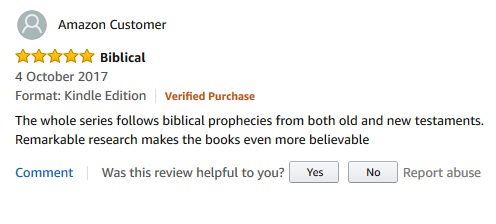
The reviewer in the above image gave the maximum five-star rating to the novel as a direct result of “remarkable research.”
So how do you carry out the same quality of research for your own work? After all, not all writers are researchers. It can be difficult to know the right way to go about it. Thankfully, there is no need to reinvent the wheel. Read on to discover three research tips you can use on your novel—from hugely successful authors.
It’s important to understand what your readers expect from your work before you conduct your research.
After all, information about almost any subject on Earth is readily available. If you’ve ever found yourself going off on tangents and opening new tabs while browsing the web, you know exactly how easy it is to get distracted by the sheer amount of information out there.
The time you can dedicate to research is probably limited, so spend that time in the most focused and fruitful way possible. Achieve this by gaining a solid understanding of your readers’ expectations.
Readers of the Left Behind series expect accurate use of Biblical prophecy. Readers of historical war fiction expect to find the correct weapons from that time period.
If you’re unsure of how to best meet reader expectations, try the following:
Once you understand what will best satisfy your readers, develop a list of specific research questions, based on either your novel outline or the general topic. This is how bestselling author K.M Weiland carries out her research.
Imagine your main character is an English vicar. You could research this generally, but creating specific questions ensures you’ll include everything important. You can add questions as you go, but having a list to start with will help you remain focused. Form a list of topics your research will cover, and then create specific questions for each.
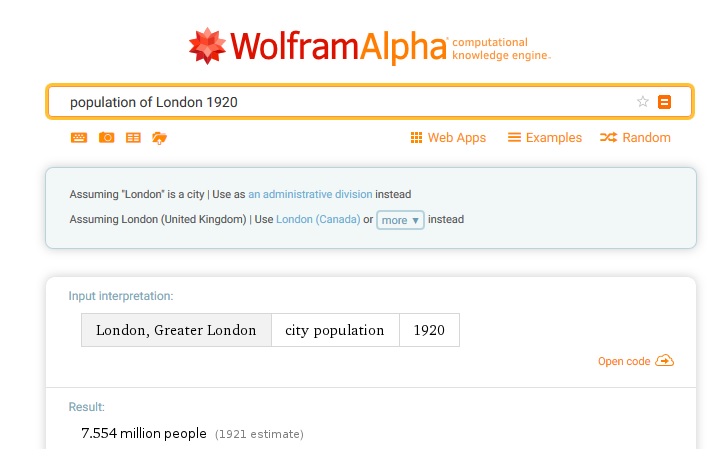
Imagine writing a crime novel set in 1920s London. You might choose the following categories with particular questions for each:
The exact categories and questions will depend upon your genre.
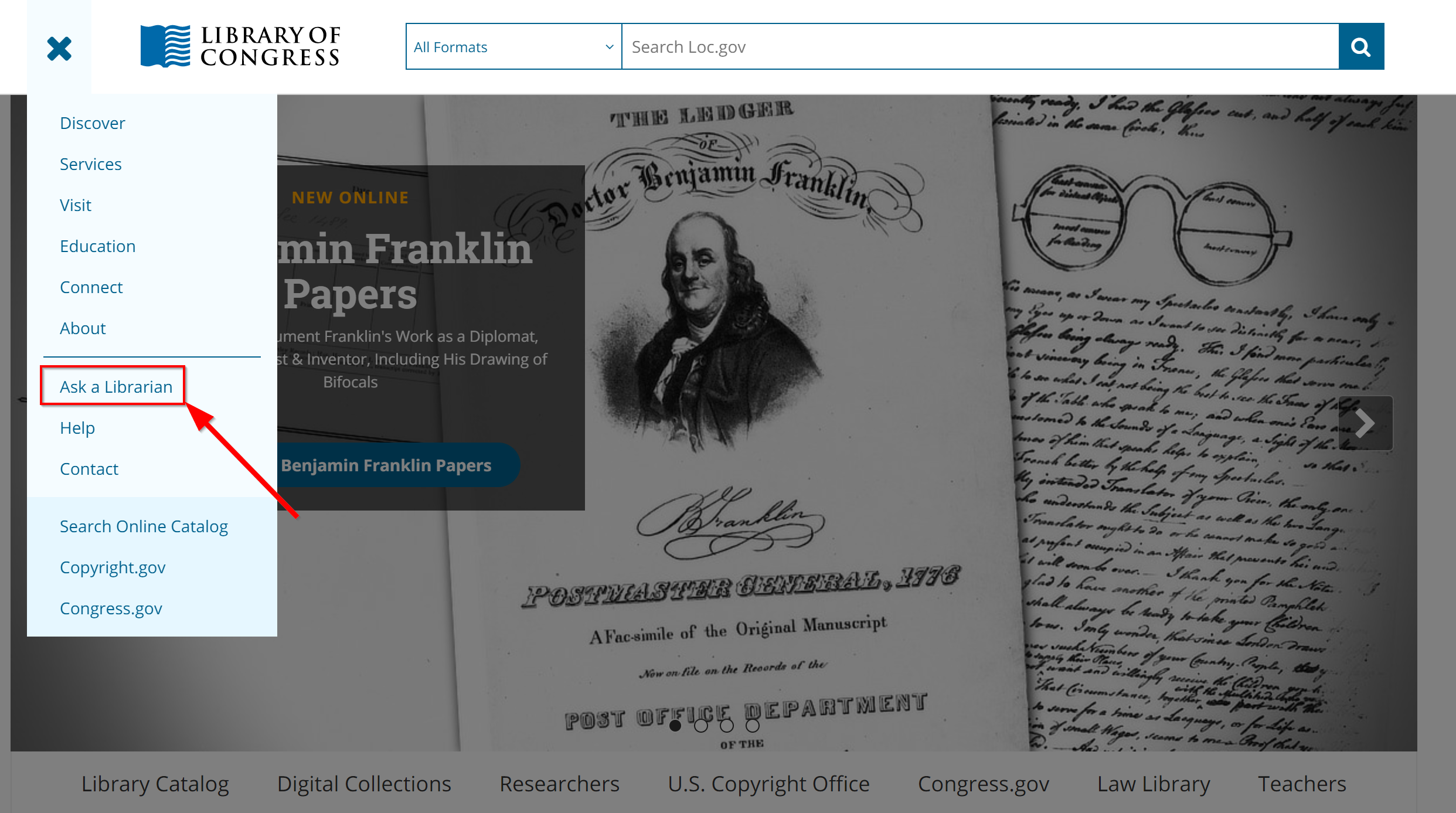
Now consider the best places to find the information you need. You should also have a system in place to collect your findings, such as the research capabilities provided by specialist book writing software. While Google is powerful, it’s by no means your only option. Some useful sources include:

Turning to your laptop or smartphone by default when researching can lead to overlooking the richest research source of all — the people around us. For your novel to be truly great, it should focus on more than just facts. It should contain rich human thoughts and feelings.
Margaret Mitchell based a lot of ‘Gone With the Wind’ on the real stories she’d been told in her childhood about the American Civil War. Her book is not only historically accurate, but it also feels authentic.
Aren’t novels simply superb when you the characters feel real? You can give your own story this level of authenticity by drawing upon the rich experiences of the people in your life.
Nothing beats actually visiting the place you will write about.
Bestselling thriller and non-fiction author Joanna Penn advocates journeying to your book’s location and getting a firsthand feel for it. This may seem impossible on your budget, but think outside the box:
Effective author research comes down to:
Research can make or break your novel. When readers choose your book, they expect to be transported into a believable and engrossing world. Research is the key to creating an immersive environment to be enjoyed and savored.
Conversely, a badly researched novel can shatter the suspension of disbelief, causing your reader to lose patience with your book and even leave a negative review.
The importance of research for reader enjoyment and, consequently, author reputation can be seen in the following review of Jerry Jenkins and Tim LaHaye’s novel Kingdom Come.
The reviewer in the above image gave the maximum five-star rating to the novel as a direct result of “remarkable research.”
So how do you carry out the same quality of research for your own work? After all, not all writers are researchers. It can be difficult to know the right way to go about it. Thankfully, there is no need to reinvent the wheel. Read on to discover three research tips you can use on your novel—from hugely successful authors.
It’s important to understand what your readers expect from your work before you conduct your research.
After all, information about almost any subject on Earth is readily available. If you’ve ever found yourself going off on tangents and opening new tabs while browsing the web, you know exactly how easy it is to get distracted by the sheer amount of information out there.
The time you can dedicate to research is probably limited, so spend that time in the most focused and fruitful way possible. Achieve this by gaining a solid understanding of your readers’ expectations.
Readers of the Left Behind series expect accurate use of Biblical prophecy. Readers of historical war fiction expect to find the correct weapons from that time period.
If you’re unsure of how to best meet reader expectations, try the following:
Once you understand what will best satisfy your readers, develop a list of specific research questions, based on either your novel outline or the general topic. This is how bestselling author K.M Weiland carries out her research.
Imagine your main character is an English vicar. You could research this generally, but creating specific questions ensures you’ll include everything important. You can add questions as you go, but having a list to start with will help you remain focused. Form a list of topics your research will cover, and then create specific questions for each.
Imagine writing a crime novel set in 1920s London. You might choose the following categories with particular questions for each:
The exact categories and questions will depend upon your genre.
Now consider the best places to find the information you need. You should also have a system in place to collect your findings, such as the research capabilities provided by specialist book writing software. While Google is powerful, it’s by no means your only option. Some useful sources include:
Turning to your laptop or smartphone by default when researching can lead to overlooking the richest research source of all — the people around us. For your novel to be truly great, it should focus on more than just facts. It should contain rich human thoughts and feelings.
Margaret Mitchell based a lot of ‘Gone With the Wind’ on the real stories she’d been told in her childhood about the American Civil War. Her book is not only historically accurate, but it also feels authentic.
Aren’t novels simply superb when you the characters feel real? You can give your own story this level of authenticity by drawing upon the rich experiences of the people in your life.
Nothing beats actually visiting the place you will write about.
Bestselling thriller and non-fiction author Joanna Penn advocates journeying to your book’s location and getting a firsthand feel for it. This may seem impossible on your budget, but think outside the box:
Effective author research comes down to: